

Silicon Motion Technology Stock Plummets 8.5% in Two Days: Supply Warning Signals Intensify
By ATTN Desk · Editorial oversight: Sean Han
Sharp Sell-Off in Re-evaluation Phase After Acquisition Collapse
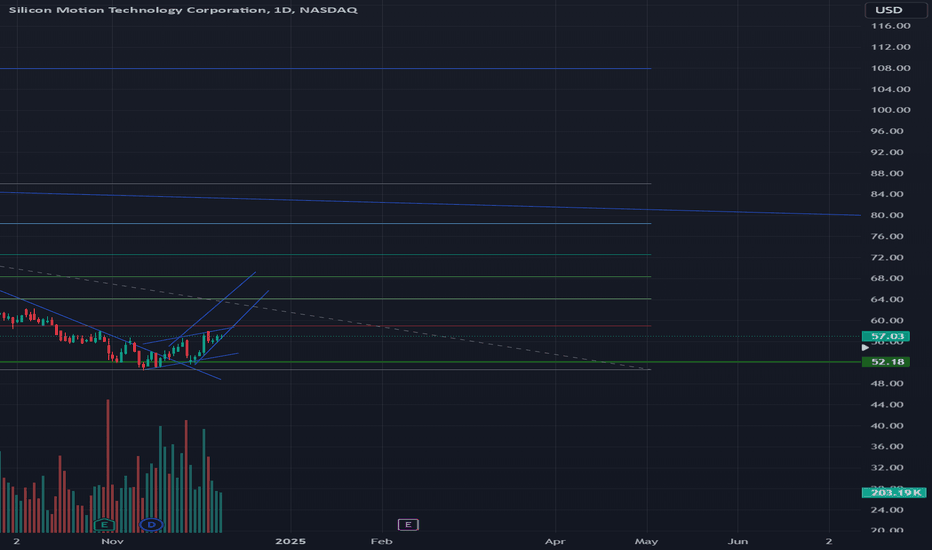 On the 8th, Silicon Motion Technology Corp. (SIMO) ADR shares closed at $110.85—down 8.50%—on the New York Stock Exchange. The company’s market capitalization evaporated by about $295.1 million in a single day. Trading volume reached 1,295,693 shares, well above its recent average, suggesting a re-evaluation-driven sell-off rather than a simple pause.
Growth Slowdown Concerns Spread via SEC Filings and Social Media
Investor attention turned to signals of slowing growth highlighted in recent disclosures. Since Q4 last year, the company repeatedly noted that the semiconductor market adjustment and inventory depletion process had been extended. In its latest annual report (Form 20-F), it acknowledged that demand recovery in data centers and mobile remained slower than expected.[1] Coupled with a broader sector slowdown, social media and investor forums simultaneously voiced two opposing views: “an oversold buying opportunity” and “the onset of structural growth deceleration.”
 ## Disappointing Supply of Shares Despite Ongoing SEC Filings
The steady stream of SEC filings also weighed on sentiment. Over the past few months, Silicon Motion filed multiple Form 6-K reports alongside insider share-sale notices (Form 144). Some filings mentioned ongoing inventory adjustments and potential customer investment delays.[2] Among investors, a narrative emerged that insiders were actively timing share sales, which dampened buy-side interest during the day’s sell-off.
Spotlight on the Flash Controller Leader
Silicon Motion is a global leader in NAND flash controllers, with long-term growth prospects underpinned by expanding storage demand in data centers, PCs, and mobile devices.[3] However, since the acquisition fell through and the company chose an independent path, concerns have surfaced over increased earnings volatility. At the same time, expectations remain that AI and high-performance storage demand could drive a renewed re-rating. Whether this 8.5% drop represents a temporary overreaction or the start of a more fundamental reassessment of both industry conditions and the company’s resilience will likely become clear in upcoming earnings releases and further disclosures.
[1]
[2]
[3]