

American Airlines Faces Growing Financial Challenges
By ATTN Desk · Editorial oversight: Sean Han
Bear Thesis: Stalled Recovery Underpins Caution
American Airlines Group (NASDAQ: AAL) exhibits several red flags that argue for a cautious, bearish stance. Despite a modest 8.5% appreciation over the past year, the company posted a deeper first-quarter loss, carries outsized debt, and has pulled its full-year guidance amid weakening domestic leisure demand. Technical indicators reinforce this caution: after trading as high as $18.38, shares now hover near $11, sitting squarely above support at $9.00 but far below resistance at $18.00. Until profitability is restored and leverage down-shifted, AAL remains vulnerable to further downside.
Financial Health Under Strain
American’s latest quarterly results underscore persistent profitability challenges and financial leverage that outpace peers.
| Metric | Q1 2025 | Q1 2024 | Year-over-Year Change |
|---|---|---|---|
| Total Revenue | $12.55 billion | $12.60 billion | –0.4% |
| Net Income | –$473 million | –$312 million | Loss widened by 51% |
| Adjusted EPS | –$0.59 | –$0.65 | Narrower loss (beat est. –0.65) |
| Unit Revenue Growth (PRASM) | +0.7% | – | Flat to downtrend restored |
| Capacity Change (ASM) | –0.8% | – | Slight network contraction |
| Long-Term Debt | ~$37 billion | ~$34 billion | +9% |
| Operating Cash Flow | Negative* | Positive | Turned unhelpfully negative |
*Exact cash‐flow figures not disclosed; management acknowledges ongoing cash‐burn pressures.
Revenue has essentially plateaued year-over-year while costs—including expensive new labor contracts and rising pension contributions—continue to climb. The net loss widened to $473 million, and although the adjusted EPS shortfall was smaller than analysts anticipated, the trend remains unprofitable. Operating cash flow has turned negative, a further warning sign given the capital intensity of airline operations. Meanwhile, leverage remains elevated with long-term debt near $37 billion, limiting financial flexibility.
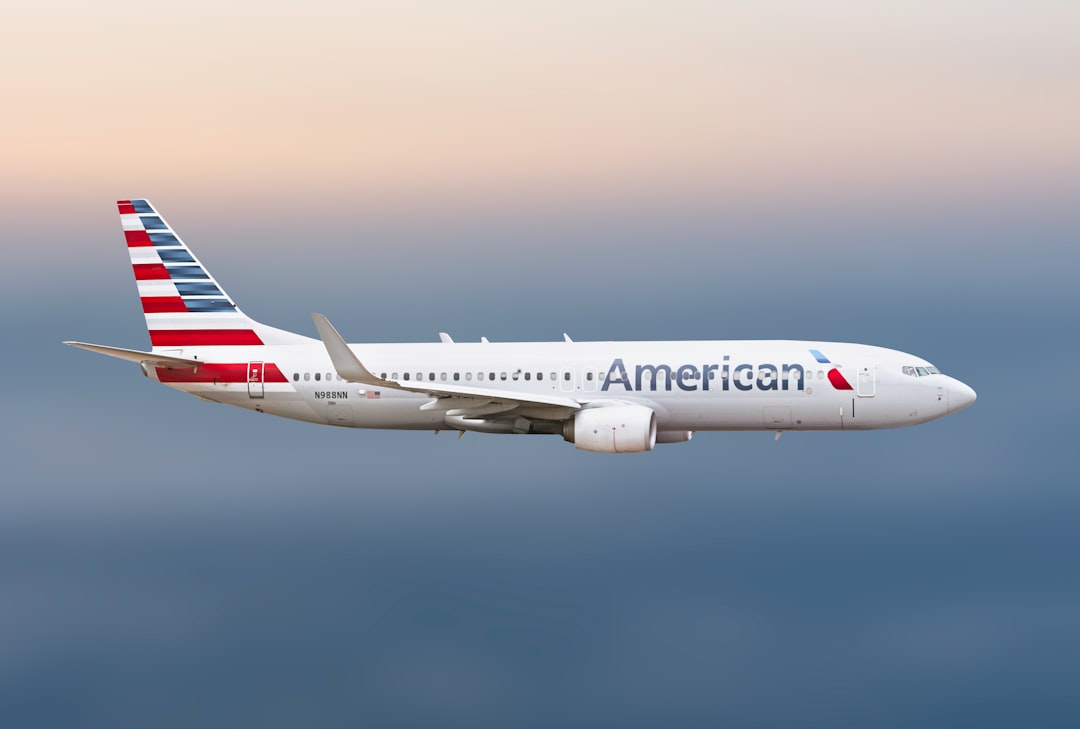
American Airlines by Ross Sokolovski
Competitive Position: Legacy Disadvantage
American Airlines is the world’s largest carrier by passenger volume, yet it ranks near the bottom of U.S. network carriers on profitability metrics. In contrast:
- Delta Air Lines delivered a 3.6% pre-tax margin in Q1, and United Airlines reported its best first-quarter performance in five years.
- Low-cost rivals such as Southwest and JetBlue consistently outpace American on unit cost control.
American’s legacy cost structure—especially high labor and pension expenses—creates a structural disadvantage. Barriers to entry in aviation remain high (capital intensity, regulatory hurdles, slot restrictions), but existing competitors already operate with leaner fleets and stronger balance sheets. Industry trends such as consolidation among regional partners and premium-cabin demand recovery favor well-capitalized players, leaving American’s recovery efforts lagging.
Management and Governance: Strategic Missteps
Leadership under CEO Robert Isom has delivered incremental operational improvements, but also notable missteps:
- Distribution Strategy Backlash: A botched direct-selling move in 2023 strained relationships with travel agencies and weakened ticketing channels, forcing a costly reset.
- Pulled Guidance: The company withdrew its 2025 financial forecast, citing “economic uncertainty” and softening domestic leisure travel—an admission of limited visibility and control.
- Heavy CapEx Commitments: Commitments to free in-flight Wi-Fi by 2026 and fleet modernization will further strain cash flow in the near term.
Corporate governance appears conservative but reactive rather than proactive. The Board has endorsed a heavy focus on digital experience and investor relations but has yet to articulate a clear path to sustained profitability or meaningful deleveraging. Employee morale may improve under recent promotions, yet labor costs remain a persistent drag.
Risks and Opportunities: Headwinds Outweigh Tailwinds
American faces multiple risks even as select opportunities emerge:
- Market Risks: U.S. leisure demand has shown signs of fatigue amid economic uncertainty and higher interest rates, directly hitting American’s core domestic market.
- Operational Risks: Supply-chain delays in aircraft deliveries and maintenance disruptions continue to hamper fleet utilization and on-time performance.
- Regulatory Risks: Potential increases in airport slot divestitures, environmental levies, or new labor regulations could lift costs further.
- Growth Opportunities: International traffic and premium cabins remain resilient; rebuilding corporate travel and capturing post-pandemic leisure rebound abroad could spur revenue if executed efficiently.
However, the timing and scale of these opportunities remain uncertain. Until American restores positive cash flow, reduces leverage, and refines its cost base relative to peers, the company remains exposed to further earnings disappointments.
TL;DR
American Airlines’ underwhelming Q1 results—a wider net loss, flat revenue, negative operating cash flow—and persistent high leverage underpin a bearish outlook. Legacy cost disadvantages versus Delta and United, strategic missteps in distribution, and a withdrawn 2025 forecast reinforce downside risk. Only a clear path to restored profitability and meaningful debt reduction can justify a rethink of the bear case.