

Dragonfly Energy Surges 48% After Major SEC Filings and Recognition as Battery Technology Leader
By ATTN Desk · Editorial oversight: Sean Han
Introduction
Dragonfly Energy Holdings Corp (Nasdaq: DFLI) is a Reno, Nevada–based company operating in the renewable energy semiconductor manufacturing sector. Established in 2016, the company designs, assembles, and integrates lithium iron phosphate (LiFePO₄) battery cells, packs, and systems under its Battle Born Batteries® brand. As of July 22, 2025, the closing stock price was $0.3951, reflecting a 48.26% increase from the prior session, with a trading volume of 16,266,651 shares.
Corporate Structure and Experience
Dragonfly Energy employs between 51 and 200 professionals, including engineers, technicians, and sales personnel. The leadership team possesses extensive experience in aerospace and mechanical engineering, environmental science, and business development. Its northern Nevada facility encompasses cell manufacturing, pack assembly, and a full system integration lab. The in-house research and development team holds several patents, notably for a dry electrode manufacturing process that aims to reduce energy usage and eliminate toxic solvents.
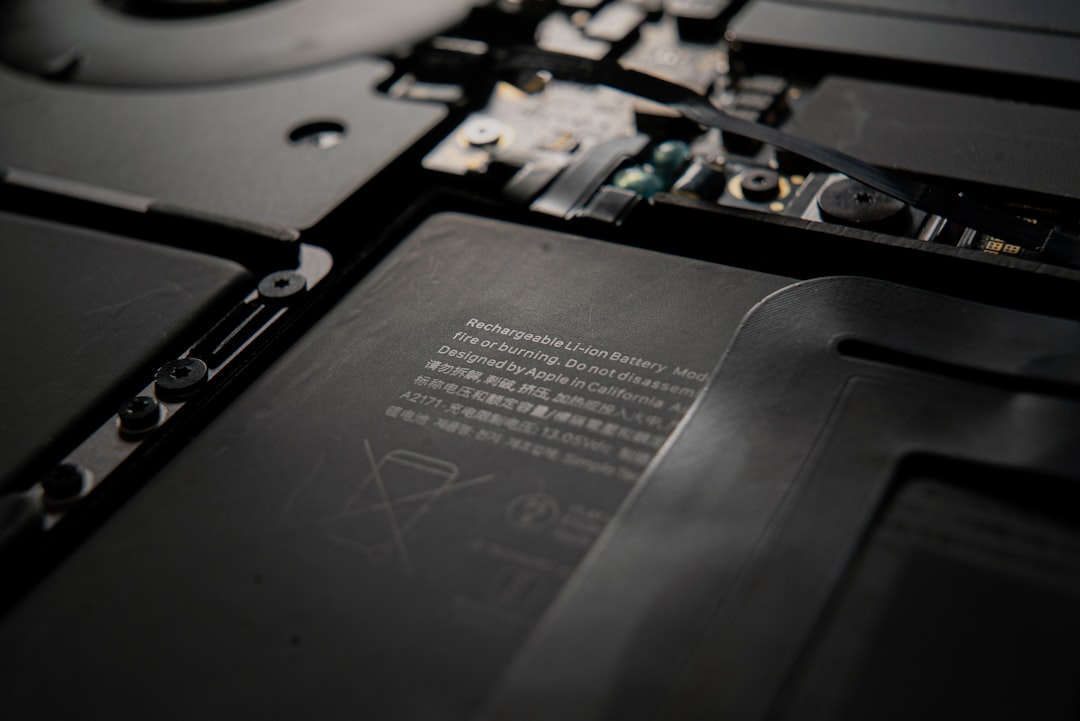
Battery Technology by Mika Baumeister
Recent Developments and News
On April 10, 2025, Dragonfly Energy was recognized as the “Battery Technology Company of the Year” by CleanTech Breakthrough. The award acknowledged its patented dry electrode cell manufacturing process and the proprietary Dragonfly IntelLigence® network, which supports real-time battery monitoring. In July 2024, the company entered a $30 million licensing agreement with Stryten Energy to expand the reach of its Battle Born Batteries brand. Since June 27, 2025, Dragonfly Energy has filed three Form 8-K reports with the SEC, reflecting ongoing corporate disclosures and regulatory compliance.
Financial and Strategic Analysis
For the trailing twelve months ending in mid-2025, Dragonfly Energy reported approximately $51.5 million in revenue and a negative net margin of 71.94%. EBITDA was reported at $18.9 million, with a debt-to-equity ratio of 264.74%. The company’s forward price-to-earnings (P/E) ratio is estimated at 0.08. Revenue growth has been attributed to increased original equipment manufacturer (OEM) partnerships and consumer adoption of off-grid power solutions. Strategic investments include the expansion of domestic cell production, development of PFAS-free electrodes, and licensing of proprietary technologies. The licensing agreement with Stryten Energy signifies efforts to monetize intellectual property and enhance manufacturing capabilities through partnerships.
Market Position and Industry Context
Dragonfly Energy operates in the North American lithium battery market, which is seeing a transition from lead-acid to LiFePO₄ chemistries for various applications, including recreational vehicles, marine, industrial solar integration, and off-grid residential systems. The company’s dry electrode technology is compatible with multiple lithium formulations, enhancing its market versatility. Automation and integrated system design help differentiate its products in a competitive market that consists of established battery manufacturers and new entrants. The company’s commitment to sustainability, development of domestic supply chains, and advanced monitoring technologies positions it to meet both commercial and consumer energy storage requirements.
TL;DR
On July 21, 2025, DFLI shares increased by 48.26% to $0.3951 on significant trading volume following the company's filing of multiple Form 8-K disclosures. Earlier, on April 10, 2025, Dragonfly Energy was named “Battery Technology Company of the Year” by CleanTech Breakthrough for its innovations in dry electrode manufacturing and the IntelLigence® monitoring network. A $30 million licensing agreement signed in July 2024 aims to extend the Battle Born Batteries brand. With domestic cell production increasing and a forward P/E of 0.08, the company's licensing strategy and manufacturing scale-up are positioned to contribute to potential revenue growth in late 2025.