

Liminatus Pharma's Stock Soars 26.51% Amid Major Financing and Clinical Advancements
By ATTN Desk · Editorial oversight: Sean Han
Introduction
Liminatus Pharma Inc. (Nasdaq: LIMN) is a pre-clinical-stage immuno-oncology company headquartered in La Palma, California. Founded on November 1, 2020, the firm specializes in developing immune-modulating cancer therapies. Under the leadership of CEO Chris Kim, Liminatus Pharma is advancing a pipeline that includes a Phase II guanylyl cyclase C (GCC) vaccine and next-generation cellular and antibody-based treatments.
Corporate Structure and Leadership
Following its business combination with Iris Acquisition Corp. on April 30, 2025, Liminatus Pharma Inc. transitioned to a publicly traded entity on the Nasdaq Capital Market. The combined company lists Class A Common Stock under the ticker LIMN and warrants under LIMNW. Corporate advisory services during the merger were provided by Raymond James. Employee headcount is estimated at 11–50, with executive roles focused on research and development, clinical strategy, and financial operations.
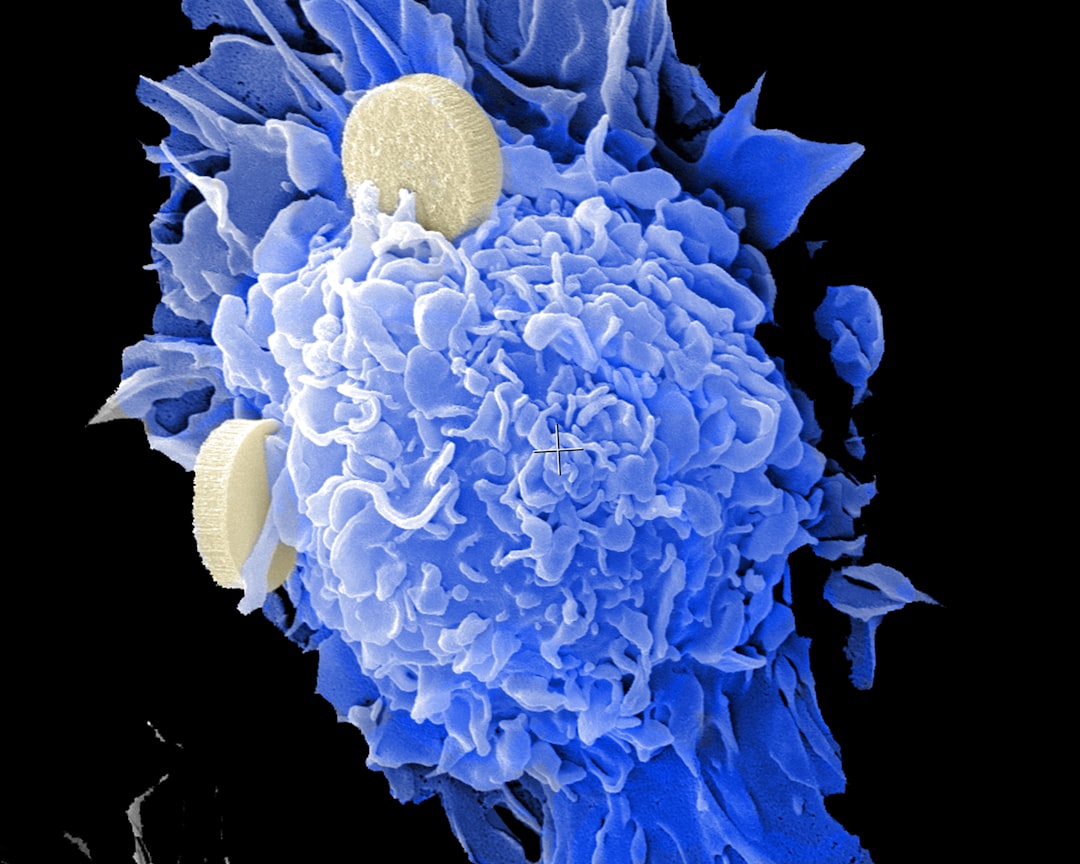
Immuno-oncology by National Cancer Institute
Recent Developments and News
On April 30, 2025, Iris Acquisition Corp. and Liminatus Pharma closed their definitive business combination. Key components of the transaction include:
- A $15 million common stock PIPE financing
- A $25 million convertible note financing
As part of the agreement, Liminatus Pharma secured rights to three cancer treatment candidates originating from Thomas Jefferson University and South Korea’s InnobationBio Ltd. The lead candidate, the GCC vaccine, is in Phase II clinical trials targeting colorectal, pancreatic, gastric, and esophageal cancers. Proceeds are earmarked to advance a GCC-targeted CAR-T therapy into first-in-human trials and to complete IND-enabling studies for its CD47 immune checkpoint inhibitor.
In July 2025, the company submitted multiple Form 8-K filings to the U.S. Securities and Exchange Commission:
- Item 8.01 disclosures on July 3 (Acc-no. 0001104659-25-065663)
- Item 5.02 disclosures on July 11 (Acc-no. 0001104659-25-067444)
- Items 1.01 and 3.02 disclosures on July 17 (Acc-no. 0001104659-25-068670)
Financial and Strategic Analysis
As of July 24, 2025, Liminatus Pharma’s stock closed at $8.1850, representing a 26.51% increase on the day, with a trading volume of 4,281,860 shares. Key metrics include:
- Market capitalization: $45.77 million (−17.74% over the week ending July 24, 2025)
- Volatility: 22.72%; beta coefficient: 1.07
- Net income for Q2 2025: −$255; Q1 2025 net income: $868,310 (99.97% quarter-over-quarter change)
- Twelve-month price return: −28.67%; all-time high of $33.66 on June 25, 2025; all-time low of $4.40 on May 28, 2025
Technical indicators on TradingView show neutral oscillators and moving averages, with a one-week rating of “sell” and a one-month rating of “sell.” Strategically, the April financing provides funding to initiate key clinical milestones, while the SPAC transaction offers a public capital platform.
Market Position and Industry Context
Liminatus Pharma operates in the immuno-oncology segment, a sector projected to reach approximately $262 billion by 2030. Its focus on GCC-based vaccines, CAR-T therapies, and CD47 checkpoint inhibitors positions the company alongside peers advancing cell and antibody modalities. As a pre-clinical entity, Liminatus relies on external financing for R&D and clinical programs. Competition includes established biopharma firms and emerging biotech startups pursuing similar targets. The SPAC listing and strategic capital raise aim to support clinical advancement and future regulatory submissions.
tl;dr
On July 24, 2025, LIMN shares rose 26.51% to $8.1850 on Nasdaq following multiple Form 8-K disclosures in July and the April 30 SPAC combination with Iris Acquisition Corp. The company secured $40 million in PIPE and convertible notes to fund Phase II and first-in-human trials of its GCC vaccine, CAR-T therapy, and CD47 inhibitor. Upcoming milestones include IND-enabling studies for the CD47 program and initiation of CAR-T clinical trials.