

PACCAR's Q2 Upsurge: Record Parts Revenue, New Dividend, and EV Expansion
By ATTN Desk · Editorial oversight: Sean Han
Introduction
PACCAR Inc. (NASDAQ: PCAR) is an American designer and manufacturer of commercial vehicles. Through its subsidiaries Kenworth, Peterbilt, and DAF, the company serves markets worldwide from its headquarters in Bellevue, Washington. As of August 28, 2025, PCAR shares closed at USD 103.00, reflecting a change of 1.54 percent on a volume of 359,388 shares compared to an average daily volume of 355 shares.
| Ticker | Price (USD) | Change (%) | Volume | Avg Volume | Exchange |
|---|---|---|---|---|---|
| PCAR | 103.00 | +1.54 % | 359,388 | 355 | NASDAQ |
Corporate Structure
Founded in 1971 as the successor to Pacific Car and Foundry Company, PACCAR employs over 10,001 people across North America, Europe, and Asia. Revenues are generated primarily through three truck brands—Kenworth, Peterbilt, and DAF—supported by:
- PACCAR Parts, with 20 global distribution centers across four continents
- PACCAR Financial Services, offering leasing, finance, and insurance with total assets exceeding USD 13 billion
- Dynacraft, supplying OEM components and assemblies
Employee development is a focus area. For example, Jillian Honrade joined PACCAR in 2017 as a Database & BI intern, transitioned to a full-time BI Developer in 2018, and currently serves as an Associate Data Scientist. In 2020, she co-founded PACCAR’s internal Tableau User Group, which has grown to over 800 members globally.
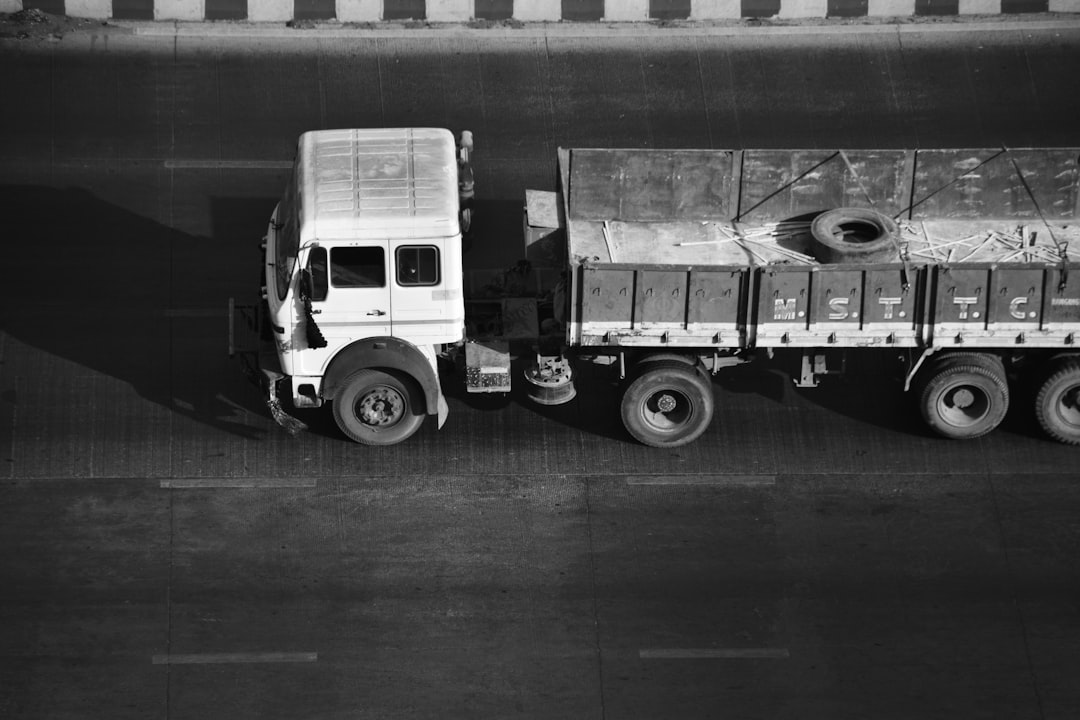
PACCAR trucks by abshky
Developments and News
On April 29, 2025, PACCAR declared its regular quarterly cash dividend, adhering to its capital-return policy. On July 8, 2025, the company reported quarterly revenues and profits, along with record PACCAR Parts revenue for the quarter ended June 30, 2025. The Form 10-Q filed on July 31, 2025, provided detailed financial information for the second quarter of fiscal 2025.
Financial and Strategic Analysis
In the quarter ended June 30, 2025, PACCAR experienced year-over-year revenue growth driven by increased truck deliveries and parts sales. Net income and earnings per share rose compared to the same period in 2024. Gross margin improvements were attributed to effective cost management, with operating expenses in line with forecasts. Cash flow from operations supported capital expenditures of approximately USD 200 million, including investments in manufacturing equipment and technology.
Key strategic initiatives include:
- Product innovation in electric-vehicle offerings, including Peterbilt’s Model 579EV and Model 567EV
- Sustainability targets to reduce carbon emissions and enhance fuel efficiency
- Expansion of dealer networks in Asia and other emerging markets
- Development of digital capabilities in PACCAR Financial Services to improve customer access
Risk factors identified in SEC filings include supply chain disruptions, regulatory changes affecting emissions standards, and currency exchange volatility in export markets. Management anticipates continued demand for trucks, subject to broader economic conditions.
Market Position and Industry Context
PACCAR is a component of the Nasdaq-100 and S&P 500 indices. Approximately half of its revenues are generated outside the United States, with sales across over 100 countries. The company competes with other global truck manufacturers, including Daimler Truck, Volvo Group, and Navistar. PACCAR’s integrated business model—including parts distribution, financial services, and OEM component supply—enhances its position in the commercial vehicle sector.
tl;dr
On July 31, 2025, PACCAR filed its second-quarter Form 10-Q reporting higher revenues and net income compared to Q2 2024, aided by increased parts sales. The dividend declared on April 29, 2025, supports its capital-return profile. Strategic investments in electric-vehicle platforms and the growth of international dealer networks are ongoing through the remainder of 2025.