

GRI Bio Shares Plunge After S-1 Filing and Equity/Warrant Offering
By ATTN Desk · Editorial oversight: Sean Han
Introduction
GRI Bio Inc (NASDAQ: GRI) is a clinical-stage biopharmaceutical company headquartered in San Diego, California. Founded in 2009, the firm develops therapies that modulate natural killer T (NKT) cells to address inflammatory, fibrotic, and autoimmune diseases. Its lead asset, GRI-0621, is an oral inhibitor of invariant NKT (iNKT) cell activity, specifically for idiopathic pulmonary fibrosis (IPF).
| Metric | Value |
|---|---|
| Share Price (2025-12-08) | $1.30 |
| Daily Change | –36.89 % |
| Trading Volume | 552,314 |
| Exchange | NASDAQ (NAS) |
| Ticker | GRI |
Corporate Structure
With a workforce of 2–10 employees, GRI Bio combines expertise in immunology and drug development. The company has a library of over 500 proprietary compounds that supports its research initiatives, and it actively seeks collaborations to enhance manufacturing and clinical capabilities.
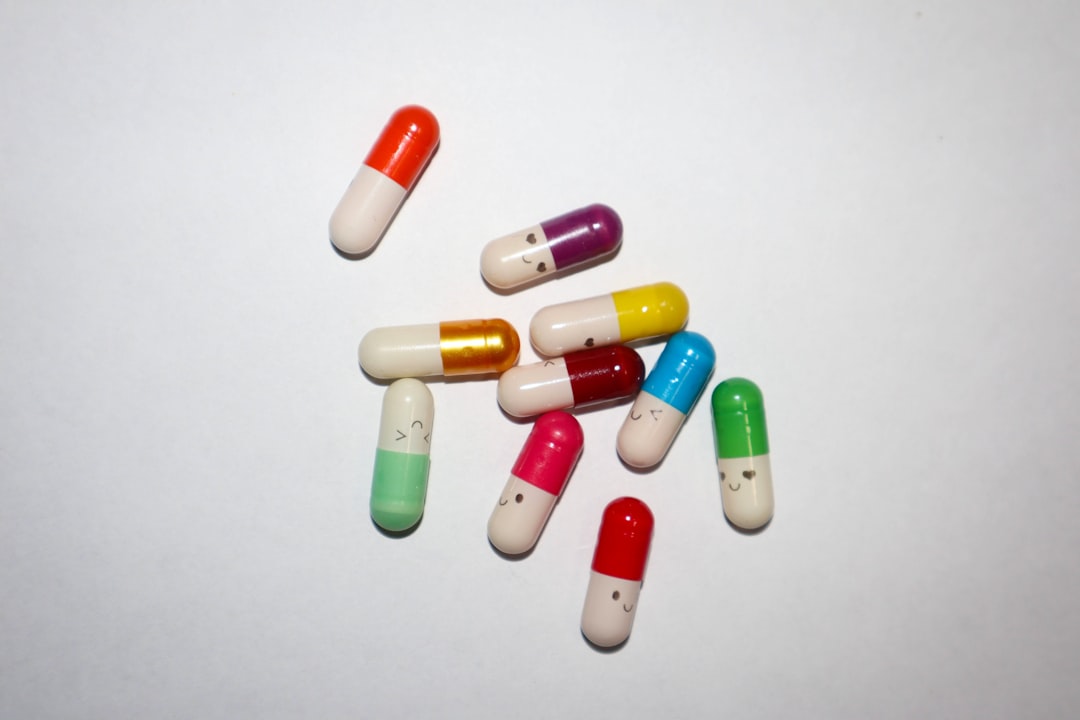
Biopharmaceuticals by little plant
Developments and News
On December 8, 2025, GRI Bio filed a Form S-1 registration statement (CIK: 0001824293) with the U.S. Securities and Exchange Commission, indicating its intent to register additional securities. This filing, approximately 20 MB in size, includes financial statements, risk disclosures, and discussions of operational strategies.
In conjunction, the company filed a Prospectus Supplement No. 3 under Rule 424(b)(3), confirming that on April 2, 2025, it completed an equity offering of 202,000 common shares and various warrants. These warrants are exercisable for a total of 5,450,774 shares. The supplement mentions ongoing capital-raising efforts through a continuous offering of shares and warrants in compliance with Rule 415.
GRI Bio's corporate website and LinkedIn page note the progression of GRI-0621 in IPF and the initiation of a type 2 diverse NKT agonist program targeting systemic lupus erythematosus. The company continues to offer investor engagement opportunities through email alerts and presentations.
Financial and Strategic Analysis
GRI Bio remains in a pre-revenue stage, relying on external financing to support its research and development efforts. The S-1 filing highlights several critical aspects:
- Capital Structure: The April 2025 offering and ongoing warrant facilities are structured to facilitate liquidity for clinical programs.
- R&D Focus: Investment is primarily directed toward GRI-0621’s Phase 1/2 study in IPF and early-stage lupus candidates.
- Risk Exposure: The company faces various challenges, including regulatory processes with the U.S. Food and Drug Administration (FDA), competition in the fibrosis and autoimmunity markets, and operational difficulties related to scaling manufacturing.
- Future Funding: The continuation of equity offerings suggests that GRI Bio plans to pursue additional capital to enhance its pipeline and potential partnerships.
Market Position and Industry Context
GRI Bio operates within the biotechnology sector, specializing in NKT cell regulators. The IPF market presents high unmet medical needs, with median survival for untreated patients ranging from two to three years, coupled with limited therapeutic options. By focusing on upstream regulators of inflammation, GRI Bio aims to differentiate its strategy from existing anti-fibrotic and immunosuppressive therapies. Additionally, the lupus market is valued at over $4 billion, providing further opportunities for immune modulators. However, the company must navigate a competitive landscape with numerous preclinical and clinical programs across various indications.
TL;DR
On December 8, 2025, GRI Bio’s stock closed at $1.30 (–36.89 %), with a trading volume of 552,314 shares. The company filed an S-1 registration statement and a Rule 424(b)(3) prospectus supplement, confirming its ongoing equity and warrant offerings following an April 2, 2025 financing. GRI-0621 is being advanced for idiopathic pulmonary fibrosis, and a lupus program is in preclinical stages. Future milestones include clinical data readouts and additional capital raises to support pipeline development.