

Greenland Tariff Comments Trigger Sharp Decline in Three Major Indices: What Happened?
By ATTN Desk · Editorial oversight: Sean Han
On January 20 (local time), U.S. stock markets wavered after President Trump threatened additional tariffs on Europe. The S&P 500 fell 2.1% to 6,796.86, the Nasdaq slid 2.4% to 22,954.32, and the Dow dropped 1.8% to 48,488.59, marking the largest one-day decline in three months.
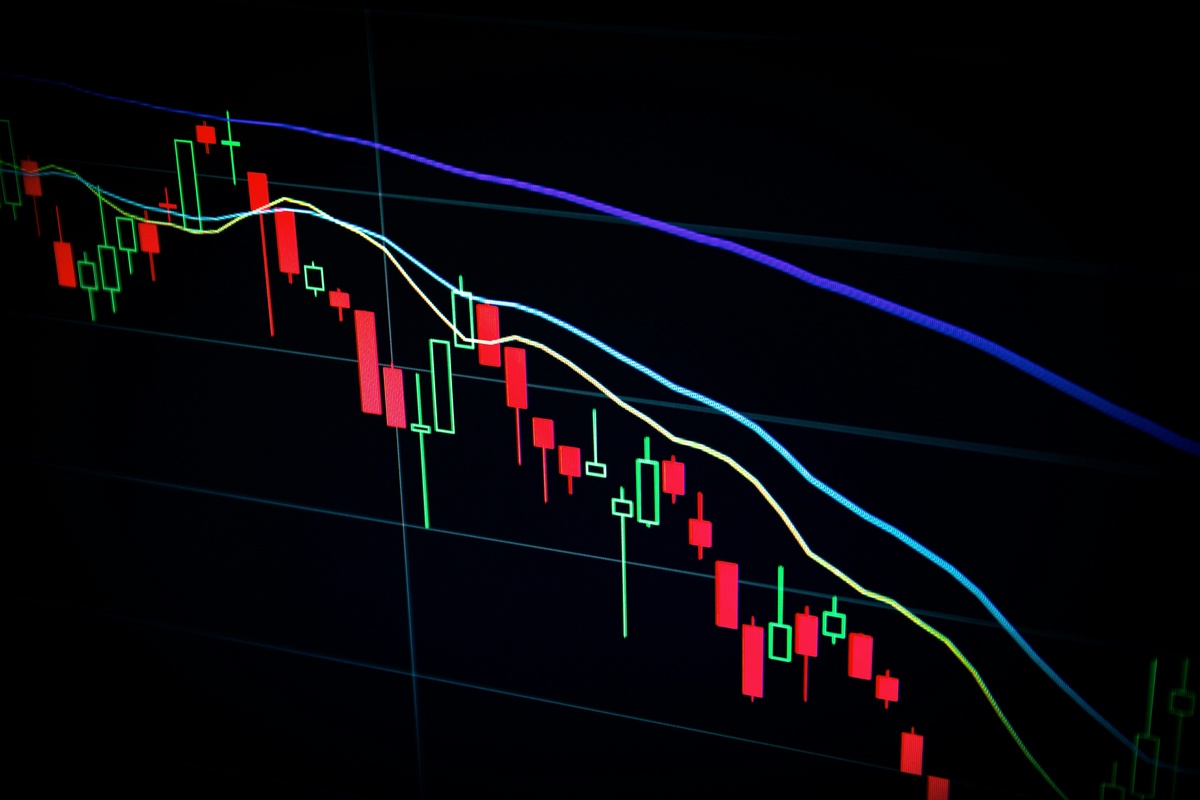 The immediate trigger was President Trump’s warning that, starting in February, he would impose a 10% tariff on imports from eight European countries, including Denmark, Germany and France. By leveraging tensions over Greenland’s sovereignty, this move raised the prospect of a renewed full-scale U.S.-EU trade war and sparked simultaneous sell-offs across global equity markets. Rising long-term Treasury yields, coupled with a surge in Japanese government bond yields, further rattled the global bond market.
On the policy front, the Federal Reserve is largely viewed as a non-factor at the moment. According to CME FedWatch, the probability of the FOMC holding rates steady at its meeting this month has climbed into the mid-90% range. Instead, bank stocks weakened after President Trump publicly proposed capping credit card interest rates at 10% for one year.
By sector, technology led the decline. Nvidia fell 4.3%, Apple dropped 3.4%, and Alphabet slid more than 2%. The Nasdaq Golden Dragon China Index, which tracks U.S.-listed Chinese internet shares, also declined about 1%, reflecting broader risk-off sentiment.
Among earnings reports, Netflix stood out after the close. While fourth-quarter revenue and earnings slightly beat consensus estimates, its guidance and margin forecasts for the first quarter disappointed, sending the stock down an additional 3% in after-hours trading. Netflix’s cash requirements related to its proposed Warner Bros. acquisition also pose a headwind for growth stocks more broadly.
On the global front, gold and silver each hit record highs—rising above approximately $4,700 and $95 per ounce, respectively—underscoring strong safe-haven demand. Market attention now shifts to the Personal Consumption Expenditures (PCE) inflation data due on January 22 and Europe’s planned retaliatory tariffs. For South Korean investors, reducing exposure to stocks with significant trade and interest-rate risks and maintaining a defensive portfolio amid heightened volatility is the advisable strategy.