

Strong Employment Shakes U.S. Markets Amid Cooling Rate Cut Expectations
By ATTN Desk · Editorial oversight: Sean Han
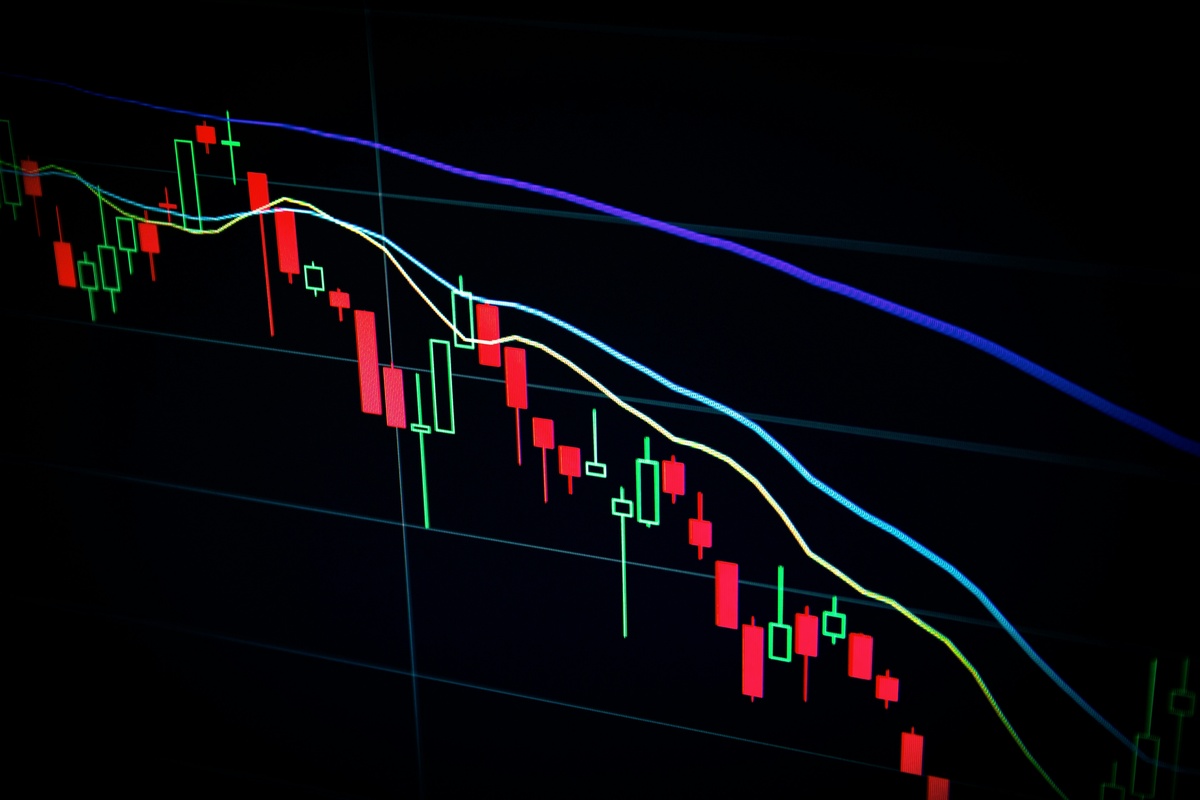
On January 11 (local time), New York markets failed to find a clear direction despite strong employment data. The Dow fell 0.13%, the S&P 500 edged down 0.34 points to 6,941.47—virtually flat with a decline of less than 0.01%—and the Nasdaq Composite slipped 0.16%.
What shook the market was the unexpectedly robust jobs report. January nonfarm payrolls rose by 130,000, far exceeding the anticipated 55,000, and the unemployment rate fell to 4.3%. At the same time, full-year 2025 employment forecasts were revised downward by 862,000, fueling a perception of “a labor market that looks solid on the surface but is weakening underneath.”
Those strong payroll numbers immediately influenced interest-rate expectations. The 10-year Treasury yield climbed to 4.18%, further dampening hopes for additional Fed rate cuts. The president of the Federal Reserve Bank of Kansas City drew a clear line against further reductions, saying rates should remain at a somewhat restrictive level. Even without a public comment from Chair Jerome Powell, the Fed’s commitment to “higher rates for longer” was reaffirmed.
Earnings season produced stark contrasts across individual stocks. Ride-hailing company Lyft plunged 17% after reporting weaker-than-expected fourth-quarter revenue, soft usage metrics, and a conservative outlook. Toy maker Mattel and trading platform Robinhood also saw double-digit drops on disappointing guidance. By contrast, cost-cutting and a cautious strategy helped defensive names such as Ford and Cloudflare climb 2–5%.
Sector-wise, semiconductor and AI infrastructure stocks held up on robust demand and solid results, while software and real estate services names suffered significant losses—often in double digits—on worries that AI could encroach on existing businesses.
Global developments added to market volatility. Heightened tensions around Iran, coupled with strong U.S. employment, drove West Texas Intermediate crude up more than 1% to around $65 per barrel. Gold rose over 1% to about $5,110 an ounce, reaffirming safe-haven demand. Silver, which had recently plunged, jumped more than 4%, underscoring increased volatility across precious metals.
The takeaway for investors is clear: “The economy is holding up better than expected, but that also means rate cuts may be slower to arrive.” In the near term, roller-coaster volatility between growth names and rate-sensitive stocks is likely as employment and inflation data cross paths with Fed officials’ remarks.