

High-Dividend Telecom Stock Verizon to Increase Free Cash Flow and Expand Fiber Optics by 2026
By ATTN Desk · Editorial oversight: Sean Han
Verizon Communications Inc. (VZ) said it met its guidance for the fourth quarter and full year 2025, delivering annual revenue of $138.2 billion and free cash flow of $20.1 billion. These figures—roughly KRW 180 trillion and KRW 26 trillion—reflect net additions of more than one million lines in its Mobility and Broadband segments for the quarter, with postpaid wireless net additions of 616,000—the highest level since 2019. For 2026, the company expects retail postpaid wireless net additions to be two to three times those of 2025, mobility and broadband service revenue to grow 2–3%, adjusted EPS of $4.90–4.95, and at least $21.5 billion (approximately KRW 28 trillion) in free cash flow.
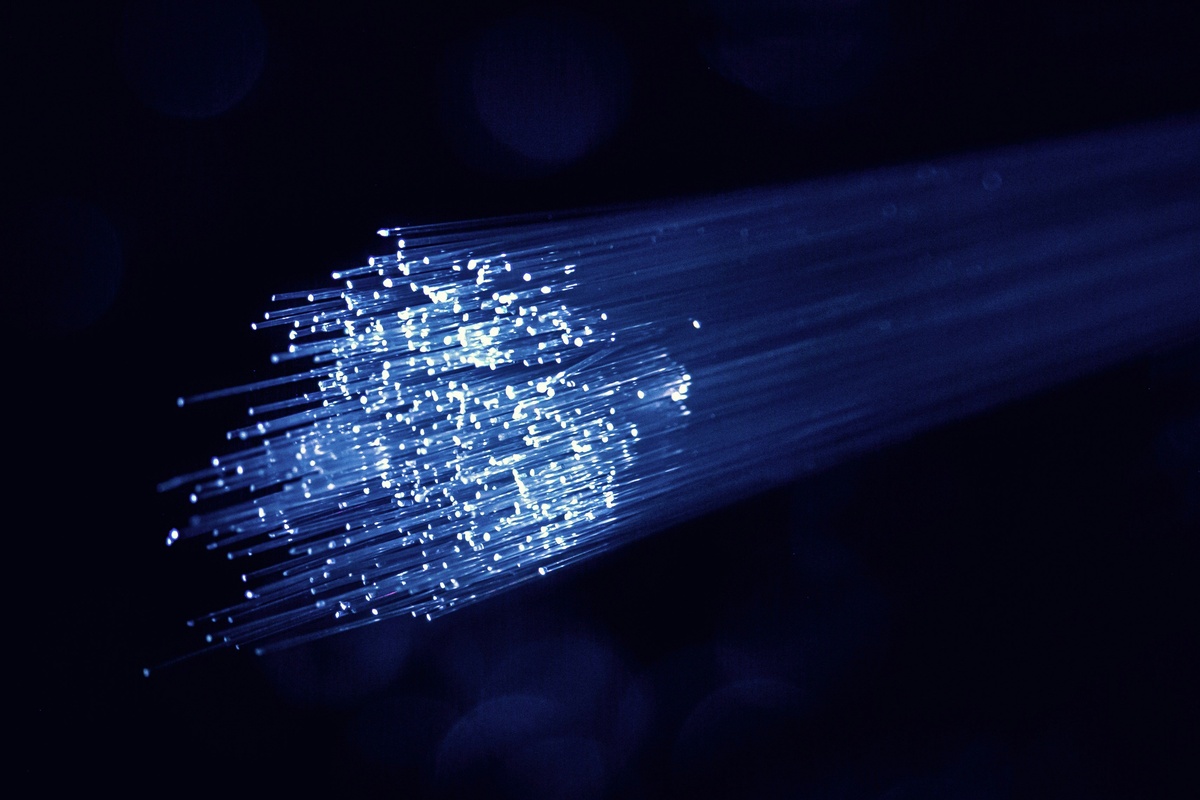
On January 20, 2026, Verizon completed the acquisition of Frontier’s fiber-optic assets, laying the groundwork to provide fiber connectivity to over 30 million U.S. households and businesses, and it revised its long-term MVNO agreements with Charter and Comcast to bolster its wholesale business. On February 4 of the same year, the company granted special restricted stock units totaling 84,926 shares to Joseph J. Russo, President of Global Networks & Technology, and Kyle Malady, CEO of Verizon Business Group; these compensation shares—valued at approximately $3.9 million (around KRW 5 billion) at current prices—are slated to vest in full on December 31, 2027.
In recent trading, despite the S&P 500 falling more than 1% on February 12, Verizon shares rose 1%, reaching a 52-week high of $49.46 and extending a four-day winning streak. Meanwhile, the Federal Communications Commission is investigating the causes and impact of a major network outage on January 14 that left hundreds of thousands of subscribers without service for several hours.
Verizon is a leading U.S. telecommunications provider offering wireless, wired broadband and enterprise network services, competing with AT&T, T-Mobile and others by leveraging its fiber infrastructure and 5G network. Across the U.S. telecom industry, companies have been scaling back capital expenditures after the 5G investment cycle and emphasizing shareholder returns through free cash flow, dividends and share repurchases.
Sources