

New York Stock Market Shaken by AI Chip Rollercoaster: Is the Real Variable Yet to Come?
By ATTN Desk · Editorial oversight: Sean Han
On June 9 Eastern Time, New York markets once again wobbled amid volatility in AI-related stocks. The S&P 500 closed at 7,386.65, down 0.3%, while the Nasdaq Composite fell 1% to 25,678.82. In contrast, the Dow Jones Industrial Average rose 0.2% to 50,872.11, and the Russell 2000—tracking small- and mid-cap names—gained 0.4%, reflecting a relatively stronger undercurrent than the headline indices.
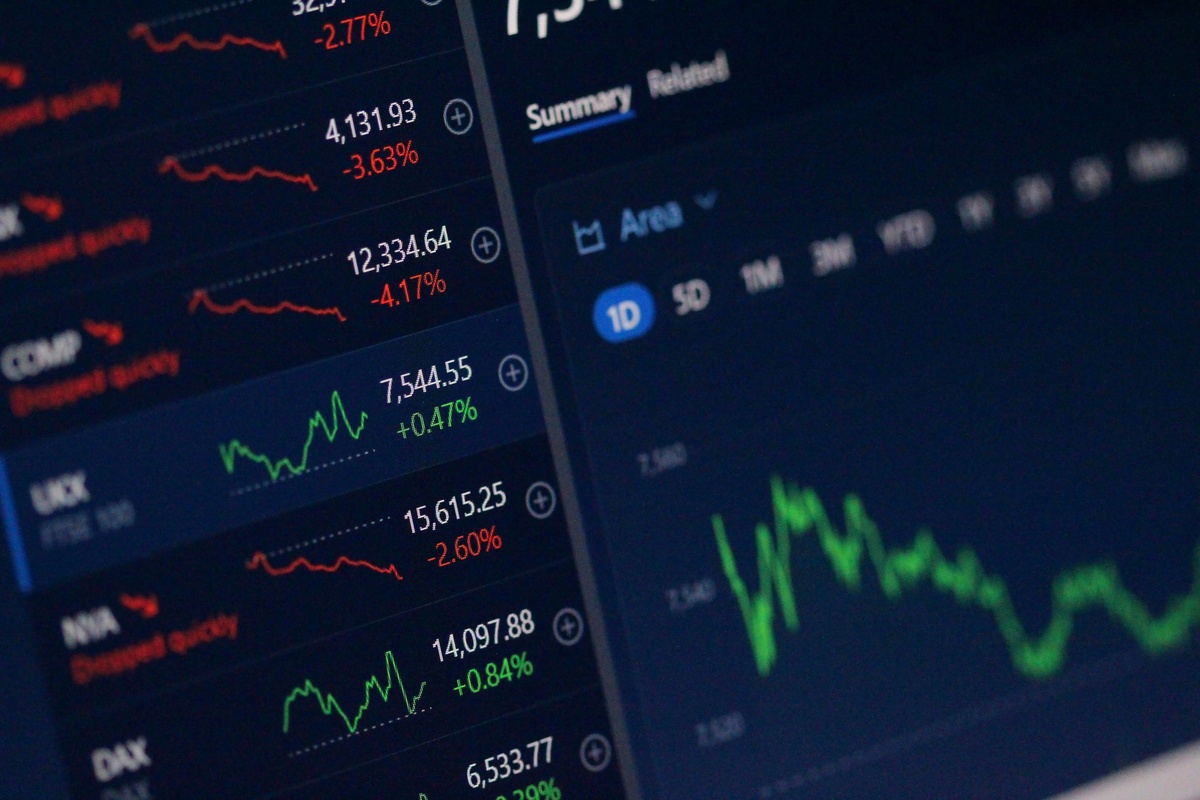
Semiconductor and AI-focused shares, which had rallied sharply in early trading, reversed course in the afternoon, shifting market sentiment. Companies whose shares have climbed multiple times this year—such as Micron Technology, Marvell Technology, and AMD—gave back intraday gains and closed down by several percentage points, dragging the Nasdaq lower. This episode underscored a fresh bout of “AI rally fatigue” that has surfaced repeatedly over the past week.
On the economic front, data and policy cues reinforced expectations that the Federal Reserve will keep rates unchanged and hold them at elevated levels for longer. After last week’s stronger-than-expected employment report—and with the Consumer Price Index (CPI) due June 10 and the Federal Open Market Committee (FOMC) meeting next week—both rate futures and economist surveys are pricing in a high probability of a year-end policy pause. The market is internalizing a scenario of solid growth alongside persistent inflation, making an imminent easing unlikely.
Earnings reports also highlighted valuation pressures on growth stocks through company-specific setbacks. Cybersecurity firm SailPoint plunged more than 15% after citing stagnant demand and cost pressures, sparking broader selling across the software sector. Conversely, airlines, transportation firms, and other cyclicals—beneficiaries of lower oil prices—managed to rebound.
In commodities, Brent crude, which had traded near $94 per barrel amid Middle East tensions, paused from recent highs, suggesting some oil-market stabilization. However, the risk of further escalation between Iran and Israel—and possible U.S. involvement—leaves energy and raw-material prices exposed to renewed swings. For investors, the medium-term trajectory of U.S. equities may hinge less on short-term AI and semiconductor gyrations and more on the signal delivered by this week’s CPI print and the upcoming FOMC decision—whether it reaffirms “higher for longer” rates or opens the door to future easing.