

U.S. Stock Market Lagging Behind Nasdaq: The Challenges Left by Employment Shock
By ATTN Desk · Editorial oversight: Sean Han
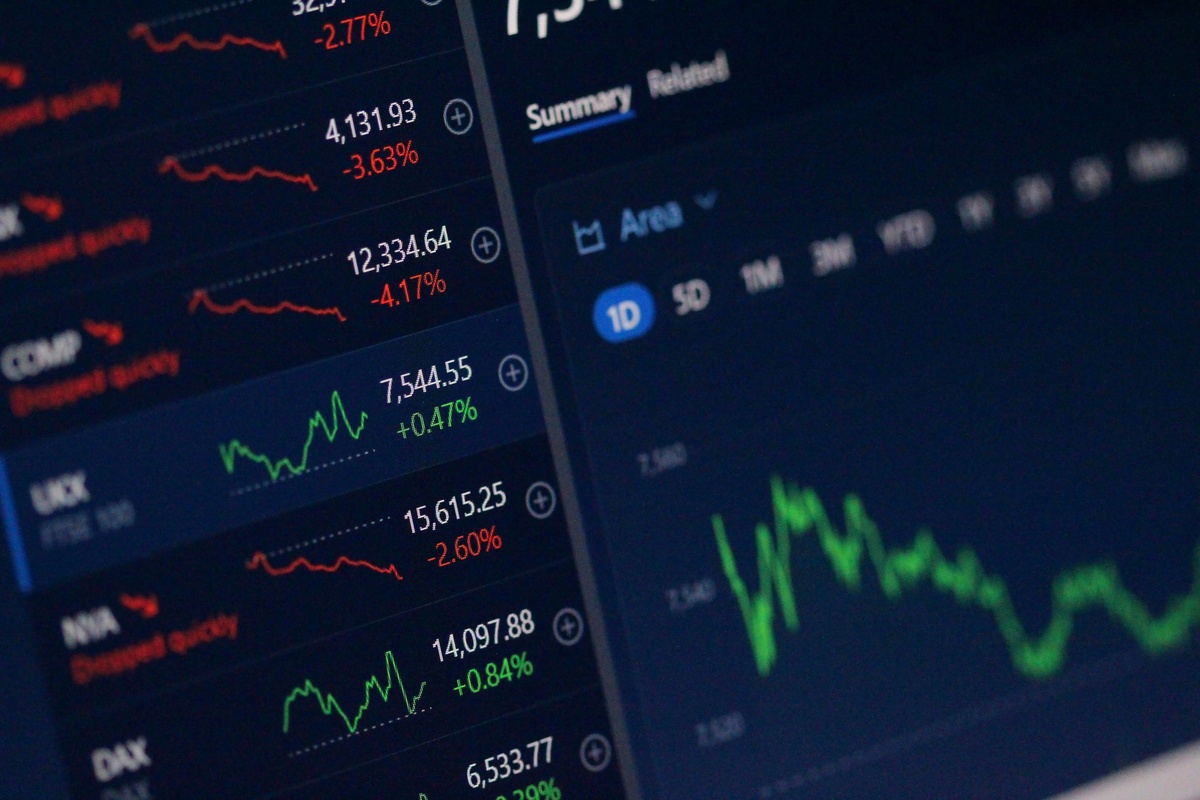
As of today (July 4 KST), U.S. stock and bond markets were closed for the July 3 Independence Day holiday, with the last trading session ending on July 2 (local time). On that day, the Dow Jones Industrial Average rose 1.1% to 52,900.07, marking a new record high. The S&P 500 held near flat at 7,483.24, while the Nasdaq Composite fell 0.8% to 25,832.67, highlighting a clear divergence among major indexes.
The driving force behind market moves was a softer-than-expected June jobs report. Nonfarm payrolls increased by just 57,000, and combined revisions trimmed the prior two months by 74,000 jobs. The unemployment rate dipped slightly to 4.2%, but this largely reflected a pullback in labor‐force participation, and average hourly earnings rose only 0.3% month-over-month. These data have cemented expectations that the year-end Fed funds rate will peak in the 3.75–4.00% range, dimming hopes for further hikes this year.
That said, new Federal Reserve Chair Kevin Wash has emphasized price stability and the Fed’s political independence, leaving open the possibility of additional rate increases if conditions warrant. As a result, markets are weighing “slowing payroll gains versus inflation vigilance.” The two-year Treasury yield fell about 4 basis points to 4.14% following the report, and the U.S. dollar index slipped roughly 0.5%, reflecting a retreat in rate-hike bets.
By sector, richly valued growth names experienced marked pullbacks. The iShares Semiconductor ETF (SOXX) plunged 5.6% on the day and nearly 12% over two sessions. SanDisk, the S&P 500’s top performer this year, dropped 14.1%, and Micron fell 5.5%. Tesla, despite delivering 480,126 vehicles in Q2 versus the 406,000 consensus, slid 7.5%, epitomizing a “buy the rumor, sell the news” reaction. In contrast, Walmart rebounded 2.8%, confirming flows into defensive consumer stocks.
Globally, easing Iran-related tensions and the normalization of shipping through the Strait of Hormuz kept Brent crude around $71.80 a barrel and WTI near $68.70. Meanwhile, with labor‐market slack easing real‐rate pressures, gold surged 2.3%, absorbing safe-haven demand.
In summary, U.S. employment has “slowed but not collapsed,” reducing the likelihood of further Fed tightening while underscoring a deceleration in growth momentum. In the short term, volatility may widen among overvalued AI and semiconductor names, with cash‐flow–rich sectors such as dividend payers and staples likely to regain favor. Investors should use the first week of July’s jobs report aftermath, forthcoming Fed commentary, and the next inflation readings as triggers to reassess growth versus value allocations in their portfolios.