

AI Rally and Fed Warnings: Two Forces Dividing the U.S. Stock Market
By ATTN Desk · Editorial oversight: Sean Han
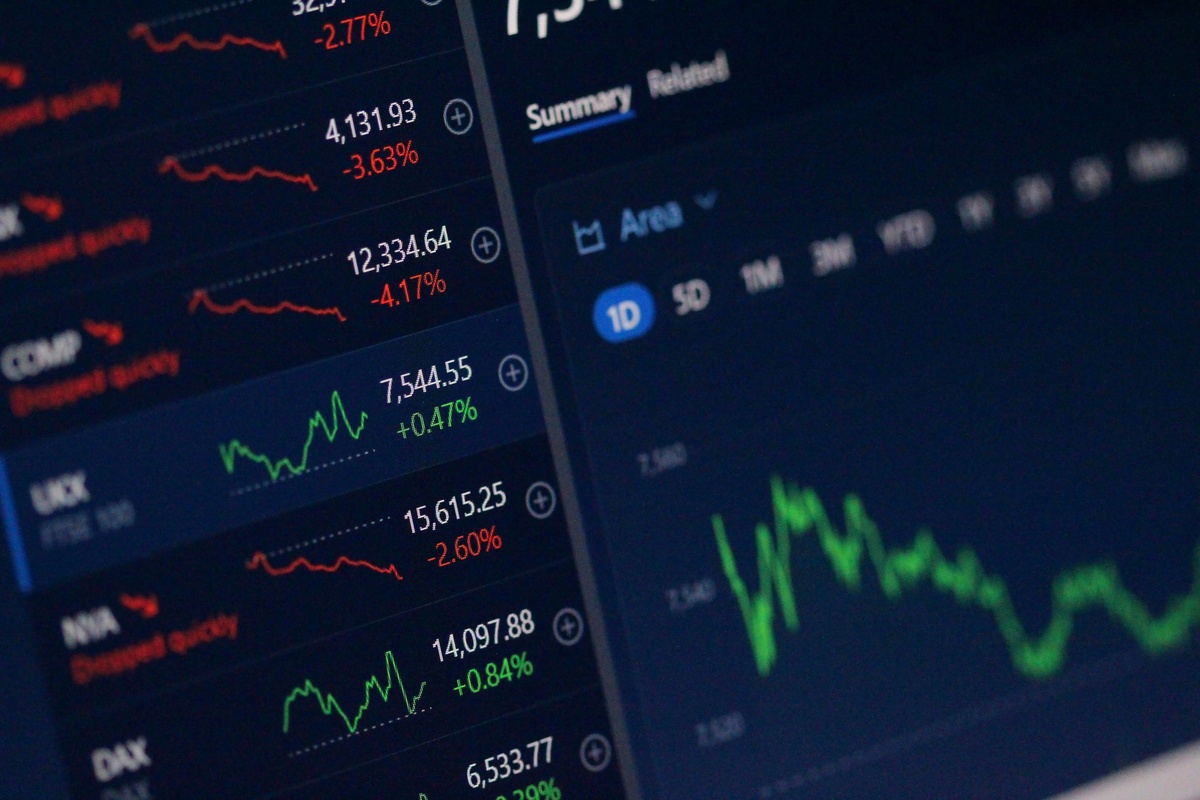
On Monday, July 6 in New York trading, U.S. stock markets closed higher across the board, buoyed by a sharp rebound in artificial intelligence and semiconductor shares. The S&P 500 rose 0.7% to 7,537.43—coming within 1% of its all-time high—while the Nasdaq climbed 1.1% to 26,121.16. The Dow Jones Industrial Average added 0.3% to 53,055.91, marking a fresh record. Leading AI-related names such as Broadcom recovered last week’s losses, helping to drive the indices higher.
June’s ISM Services PMI came in at 54, down slightly from May but still above the 50-point threshold that separates expansion from contraction. Notably, the employment subindex moved back above 50 for the first time in months, signaling a pickup in hiring. The S&P Global Services PMI registered 51.2, underscoring that consumer spending and data-center investment continue to underpin U.S. economic activity. These readings eased fears of a sharp slowdown and created a favorable backdrop for growth stocks.
Nevertheless, the Federal Reserve’s monetary-policy stance remains resolutely hawkish. Fed Governor Christopher Waller warned that risks to the U.S. economy are “tilted toward higher inflation” and said the Fed will focus intently on price pressures ahead of the June Consumer Price Index report on July 14 and the July 28–29 FOMC meeting. Although long-term Treasury yields dipped slightly, markets have not fully discounted the possibility of further rate hikes, resulting in a selective rally among the strongest growth and cyclical names.
On the corporate front, the second-quarter earnings season officially kicks off later this week with reports from Delta Air Lines and PepsiCo. Wall Street currently forecasts that S&P 500 companies will post year-over-year earnings growth in the mid-20% range. While no blockbuster earnings were released today to move markets dramatically, investors are already positioning sector bets based on the likely impact of AI-related capital spending and energy-price swings on corporate margins.
On the global stage, easing tensions in the Middle East and an OPEC+ decision to add crude supply sent oil prices below $70 per barrel, relieving some inflationary pressure. Gold remains elevated around $4,100 per ounce, reflecting ongoing safe-haven demand. Though supply-chain risks linger in the wake of the Iran conflict, the near-term market focus is expected to remain on U.S. factors—Fed minutes, inflation data, and second-quarter earnings—to set the direction for equities.