

New York Stock Market Wavers Again Due to Iran Variables, AI Remains Resilient
By ATTN Desk · Editorial oversight: Sean Han
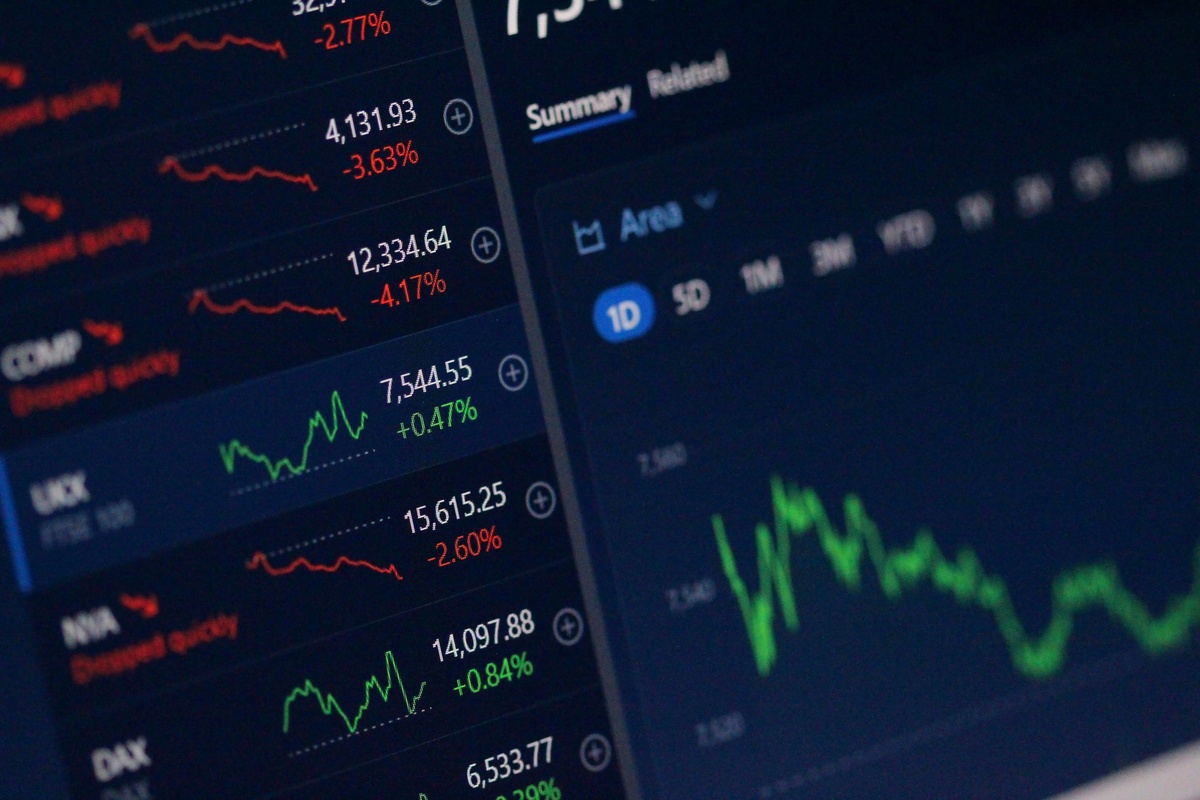
On June 8 in New York (early June 9 KST), U.S. stock markets closed mixed with heightened volatility after President Donald Trump’s remark “It’s over” on the Iran ceasefire agreement. The S&P 500 fell 0.3% to 7,482.71, the Dow dropped 1.1% to 52,348.39, while the Nasdaq rose 0.2% to 25,870.65. Brent crude surged 5.2% to $78.02 per barrel, stoking renewed inflation concerns, and the 10-year Treasury yield jumped to 4.57%.
The June FOMC minutes released the same day revealed strong dissent within the Fed over the 3.6% policy rate. Many officials kept the door open for further hikes this year, citing upside inflation risks, while others argued for a pause or cut, expecting inflation to naturally ease once Iran-related supply shocks subside. By stating that “upside risks to price stability remain elevated,” the Fed prompted markets to again consider a prolonged high-rate scenario.
On the corporate front, with earnings season about to start, performance diverged on company-specific news. Soaring oil prices weighed on airlines and cruise lines—American Airlines fell 4%, Carnival dropped 3.9%—while AI and semiconductor names cushioned index losses, with Nvidia up 3.7% and Broadcom rising 4.8%. Broadcom’s rally was driven by the spotlight on its multi-year custom chip supply deal with Apple, valued at up to $30 billion.
Overall, the potential re-escalation of conflict in Iran, the jump in oil prices, and Fed internal disagreements over inflation and rates combined to dampen risk appetite for the day. Investors should monitor short-term oil trends, U.S. inflation data due next week, and the upcoming slate of large-cap earnings to gauge any realignment in the inflation, interest-rate, and AI investment narratives.